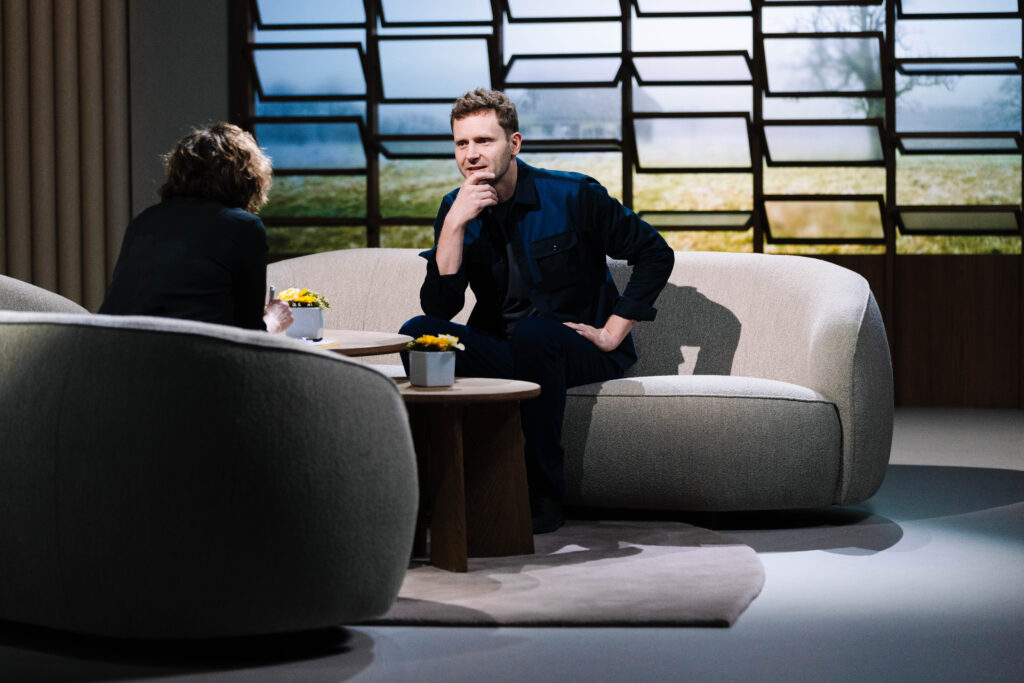
About Karl Käsnapuu
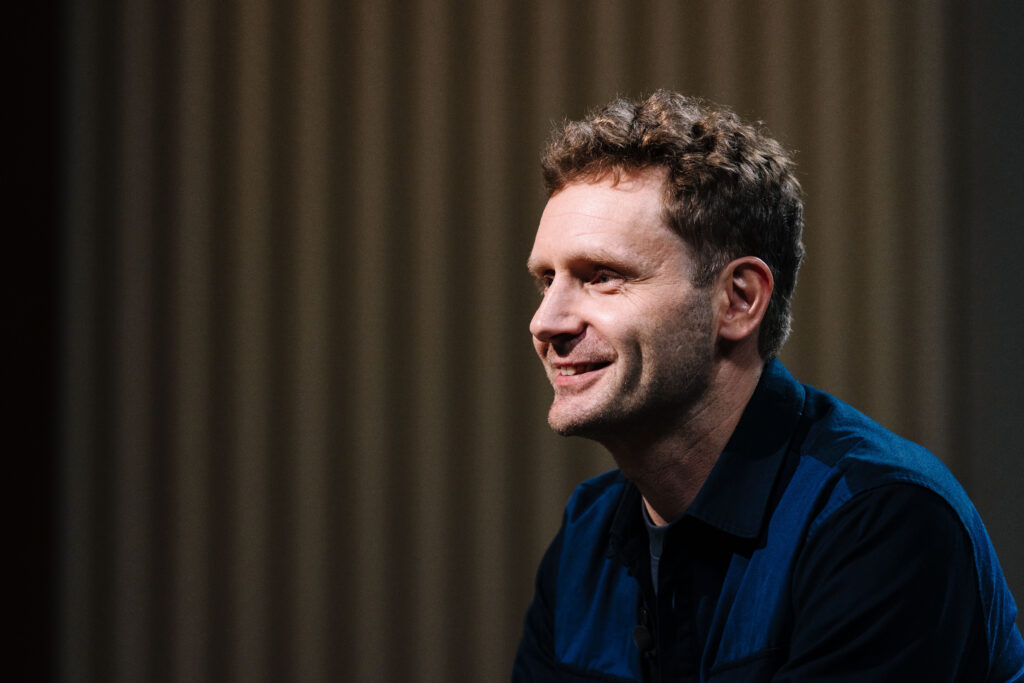
Thanatologist, author and speaker from Estonia. A curious researcher rather than a guru: I describe what people experience and what science thinks about it, and leave the interpretation to you.

The Fall in Dharamsala
I was travelling in India when, on a hotel rooftop in Dharamsala – the Himalayan town that is home to the Dalai Lama – I suddenly lost my grip on the world and fell backwards onto a sharp concrete edge. For a while I remembered nothing about being human. I simply existed.
Later, in a night-time hospital, waiting for a neurosurgeon to read the scans of my brain, I realised I didn’t know how to think about death at all. Nobody had ever spoken to me about it. Recovering among Tibetan Buddhists, I learned that their culture talks about death throughout life. Months later, in San Cristóbal de las Casas in southern Mexico, I met another culture that speaks of death freely, through its Day of the Dead.
Since then I have wanted to spend my temporary time on something meaningful: understanding death well enough to help others live better.
Background
Death does not fit neatly into one discipline. My path has led through law, theology, religious studies and bioethics – and, above all, through listening to people.
Education
MA in Religious Studies, University of Tartu. Earlier studies in law and theology, and in bioethics in the Netherlands.
Research
More than 150 accounts of near-death experiences collected in Estonia, and familiarity with around a thousand accounts worldwide. Fieldwork on death cultures among indigenous peoples of Southeast Asia and in Mexico.

Author and Columnist
Author of the Estonian bestseller Near-Death Experiences (Pilgrim, 2023). Former columnist for the magazine Eesti Naine. Regular guest on Estonian television and radio.
Founder
Founder of the Estonian Society for Death Studies, which brings together knowledge from different fields around one shared human question.